The Complete Guide to Garage Floor Coating: From Basics to Perfect Installation

A garage isn’t just a place to park your car; it’s often a core space for DIY activities, storage, and even a makeshift workspace. Imagine a smooth, durable, and easy-to-clean surface that transforms your entire garage into a brand-new look. This is the appeal of garage floor coatings. This guide will systematically explain the types, uses, application processes, and maintenance techniques of garage floor coatings, helping you become the definitive entry point for garage floor coatings.
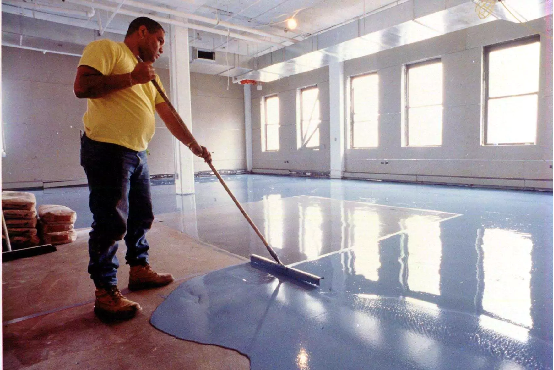
Basic knowledge of garage floor coating
Garage floor coating refers to a protective coating applied to concrete floors. It’s not only aesthetically pleasing but also enhances wear resistance, slip resistance, and chemical resistance. Depending on the material, it can withstand the challenges of daily wheel friction, oil penetration, and temperature fluctuations. Choosing the right floor coating can extend the life of your garage and enhance your user experience.
The core functions of garage floor coating include:
- Wear-resistant and pressure-resistant : withstands the weight of cars and frequent footwear;
- Anti-fouling and easy to clean: prevent oil stains and dirt from penetrating into the concrete;
- Aesthetics and value-added : Improve the overall visual effect of the garage and even increase the property value;
- Safety: Reduces the risk of slipping with an anti-slip coating.
From a basic concept point of view, garage floor coating is not a single material but a systematic project. The most suitable type needs to be selected according to the garage usage environment and budget.
Analysis of main types and their advantages and disadvantages
Common garage floor coating materials on the market include epoxy, polyurea, and polyurethane. Understanding their characteristics is key knowledge to master before choosing.
Epoxy floor coating
Epoxy coatings are the most common choice, consisting of an epoxy resin mixed with a hardener to form a hard coating. Benefits include:
- High wear resistance: suitable for frequently used garages;
- Smooth surface: easy to clean and maintain;
- Customizable colors can increase beauty and design.
The disadvantages are that the construction time is long, especially the need for strict substrate treatment; it is sensitive to temperature and humidity and may show slight yellowing after long-term exposure to ultraviolet rays.
Polyurea floor coating
Polyurea coatings are known for their fast curing and ultra-high wear resistance, making them suitable for high-intensity use environments. Features include:
- Fast curing: can be used on the same day of construction;
- Chemical corrosion resistance: not easily corroded by oil stains, acid and alkali substances;
- Good elasticity: adapts to tiny cracks in the ground.
The disadvantages are high material costs, specialized construction equipment requirements, and it is not suitable for DIY operations.
Polyurethane floor coating
Polyurethane coating is highly flexible and is often used in garages where concrete has many cracks or where high elasticity is required. Features include:
- Excellent impact resistance: can withstand impact from objects;
- Anti-ultraviolet : not easy to fade for a long time;
- Can be combined with epoxy to form a composite structure of an epoxy base layer and a polyurethane surface layer.
The disadvantage is that its wear resistance is slightly lower than that of epoxy and polyurea, and its construction also requires certain technical support.
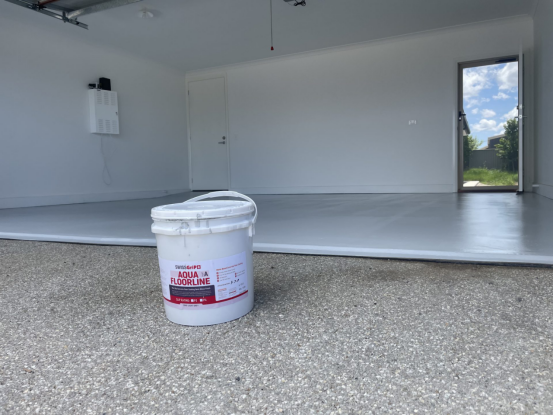
Garage Floor Coating Construction Process
A high-quality garage floor coating construction process not only determines the appearance but also directly affects the durability. It is generally divided into the following key steps:
- Floor preparation: Clean dust and oil stains, repair cracks, and ensure a smooth surface. Professionals recommend using a grinder or acid etching to treat the concrete surface to improve coating adhesion.
- Base coating: Apply epoxy or other primer evenly to ensure a firm bond between the floor and the surface layer.
- Main coating construction: Choose epoxy, polyurea, or polyurethane according to the material, and apply it in thin layers multiple times to avoid bubbles and sagging.
- Decoration and anti-slip treatment: Colored pieces or anti-slip particles can be added to ensure both aesthetics and safety.
- Curing: Different materials require a curing period ranging from 24 hours to several days. During this period, avoid heavy objects or contact with moisture.
This process emphasizes detail control, and each step affects the final effect, especially the base treatment and curing period management, which are directly related to the life and durability of the coating.
Maintenance and care tips
Even if you choose a high-end garage floor coating, proper daily maintenance is still essential. The following are recommended strategies:
- Clean regularly: Use a soft brush and neutral detergent, and avoid strong acids and alkalis;
- Quickly deal with oil stains: If oil stains remain for a long time, the protective effect of the coating will be reduced;
- Avoid scratches from sharp objects: pay attention to cushioning when wheels or tools fall to the ground;
- Periodic inspection: Repair microcracks in time to extend service life.
Through scientific maintenance, the garage floor coating can maintain its beauty and functionality for many years, fully realizing the value of the investment.
Brand and industry trend insights
With the growing demand for home DIY and high-end garages, the garage floor coating market is showing several trends:
- The rise of environmentally friendly materials: low VOC and recyclable materials have become the focus of users;
- Composite coatings are popular: The epoxy and polyurethane combination achieves both wear resistance and aesthetics.
- Intelligent construction: laser polishing and automatic spraying equipment improve construction accuracy and efficiency;
- Customized service: Color chips and texture coatings can meet individual needs.
Real cases show that in high-end residential and garage renovation projects, customer satisfaction has been significantly improved by using composite garage floor coating, and its durability and aesthetics are better than those of a single material.
Summarize
Choosing the right garage floor coating isn’t just about enhancing your garage’s appearance; it’s also a long-term investment. From material selection and application process to ongoing maintenance, every step is crucial. Epoxy, polyurea, and polyurethane each have their advantages, and understanding their characteristics can help you make an informed choice. Appropriate application and maintenance ensure the long-term stability of the coating.


