How to prevent Garage Floor Coating from bubbling and peeling

Garage floors are constantly subjected to various pressures, from vehicles driving over them to tools being used to everyday footsteps. To enhance the aesthetics and durability of their garage spaces, many car owners choose garage floor coatings. However, blistering and peeling are common problems after coating application. Understanding the causes of these defects is crucial to effectively prevent them and ensure the longevity of the garage floor coating. This article will analyze the causes of garage floor coating defects from multiple perspectives, including humidity, concrete seepage, and improper application.
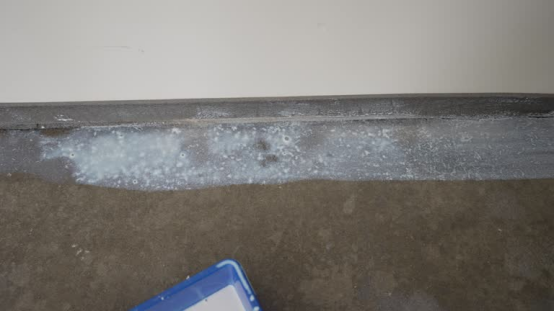
The effect of humidity on the failure of Garage Floor Coating
Humidity is one of the main causes of defects in garage floor coatings, such as peeling and blistering. When there is excessive moisture on or inside the concrete surface, it can hinder the adhesion of the coating, leading to blistering and peeling. When the coating is applied to a surface that is not completely dry or has residual moisture, the bond between the coating and the concrete weakens, and over time, the moisture will cause the coating to detach.
Concrete moisture and adhesion
Concrete is a porous material and naturally absorbs moisture. If the concrete is not fully cured or contains internal moisture, it can cause problems during coating application. As the coating cures, the moisture inside the concrete tries to escape, causing the coating to swell, blister, or even peel off. This is especially common in older garages or garages located in high-humidity environments.
To avoid this problem, a moisture test must be conducted before coating application. A common testing method is the plastic film method: first, attach a large plastic film to the ground and seal it for 24 to 48 hours. If water droplets or moisture are found under the plastic film, it indicates that the ground moisture is too high and is not suitable for coating application. In this case, the ground needs to be further dried, or a moisture barrier should be considered.
The effect of humidity on coating curing
High humidity levels can also affect the curing process of garage floor coating. Excessive humidity can lead to uneven curing, with some areas curing too quickly while others remain soft. This uneven curing process can cause the coating to blister and peel. Therefore, it is essential to ensure moderate humidity levels during coating application; the optimal range is between 50% and 60%.
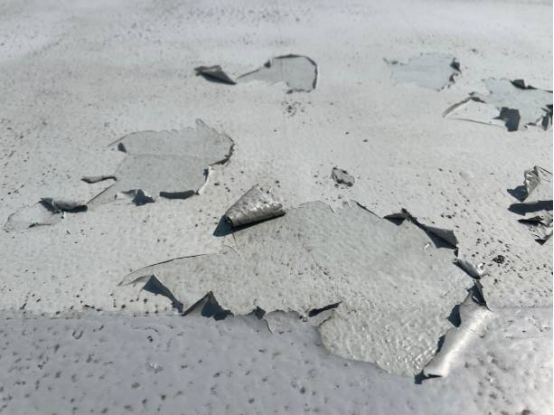
Improper application: Common causes of blistering and peeling
Another major cause of defects in garage floor coating is improper installation. Inadequately prepared or unprepared surfaces can lead to poor coating adhesion, resulting in peeling.
Properly clean and treat concrete surfaces
Before applying the coating, the surface must be thoroughly cleaned, and the concrete surface must be sanded or etched. Dust, oil, or other stains can create barriers between the concrete and the coating, hindering adhesion. Furthermore, if the concrete surface is too smooth, the coating will not adhere effectively. Therefore, the concrete surface needs to be properly treated to ensure sufficient roughness for the coating to adhere firmly.
If the surface is not properly cleaned or treated, the coating will not bond properly to the concrete, leading to blistering or peeling. Once the coating lacks a strong bond with the ground, external pressure can cause it to peel off.
The importance of drying time
Even if the cleaning and etching work is done very well, the concrete surface must be completely dry before applying the coating. Any residual moisture can affect the adhesion of the coating, leading to peeling or blistering problems. This is especially important in humid climates or on surfaces that have just been cleaned with water. To avoid this problem, ensure the surface is completely dry; if necessary, use a fan or heater to accelerate the drying process.
Choose the appropriate garage floor coating.
Choosing the right coating type is also crucial to preventing garage floor coating from peeling and blistering. Not all coating products are suitable for every environment, and using the wrong coating product can lead to the failure of the floor coating.
Epoxy resin vs. polyurethane coating: Which is better for your garage?
Epoxy coatings are a common choice for garage floor coatings, popular for their durability and adhesion. However, they don’t perform optimally in all situations. Especially in humid or moisture-permeable environments, epoxy coatings are more prone to blistering and peeling. In contrast, polyurethane coatings offer greater flexibility and moisture resistance, making them suitable for humid garage environments.
Before choosing a coating, it’s crucial to consider the local climate, the humidity level of your garage, and the stress your floor will experience. If you’re unsure which coating to choose, it’s best to consult a professional to help you select the most suitable product.
Ensure proper mixing and application
Even with the best coating products, improper mixing or application can lead to coating problems. Many epoxy coatings require the resin and hardener to be mixed in the correct ratio. Improper mixing can result in incomplete curing, inconsistent coatings, and ultimately, blistering and peeling. Strictly following the product instructions for mixing, application, and curing is essential to ensure a successful coating.
The application of the coating is also crucial during construction. Uneven application can result in a coating that is too thick or too thin, affecting adhesion and durability. Therefore, garage floor coating should be applied in thin, even layers, ensuring each layer is completely dry before applying the next.
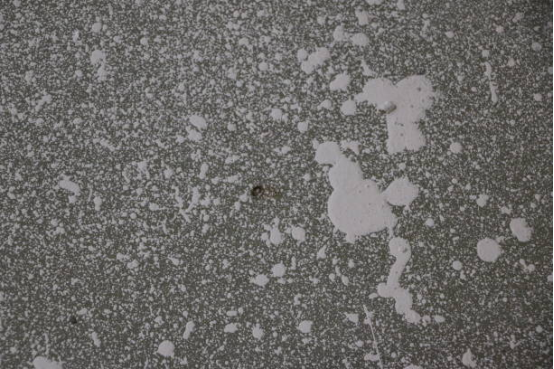
How to repair peeling and bubbling Garage Floor Coating
If you find that your garage floor coating has bubbled or peeled off, timely repair is key to restoring the floor’s appearance.
Surface preparation and recoating
To repair a blistering or peeling coating, the damaged coating must first be removed. This typically involves removing loose coating by sanding or polishing. Once the surface is ready, thoroughly clean the floor and ensure it is completely dry before applying the new coating.
If the problem is caused by moisture, the moisture issue must be resolved before recoating. If the root cause isn’t addressed, the new coating is likely to experience the same peeling and blistering.
Solving the problem of adhesion failure
If adhesion failure occurs, a primer may need to be applied before recoating. A primer enhances adhesion between the coating and the concrete surface, especially if the concrete surface is smooth or damp. Choose a primer compatible with Garage Floor Coating and follow the manufacturer’s instructions.
in conclusion,
To prevent blistering, peeling, or flaking of garage floor coatings, factors such as moisture, surface preparation, and proper application methods must be considered. Ensuring that the concrete floor is dry, clean, and properly prepared can effectively prevent common coating problems and extend the life of the garage floor coating. Choosing the right coating material and applying it correctly will result in a durable and aesthetically pleasing garage floor.
If you have questions about choosing a garage floor coating or need professional advice, please visit our blog for more resources. Taking the right steps during preparation and installation will help you ensure your garage floor coating stays in optimal condition for a long time.


