
.In many high-humidity areas, the curing process of garage floor coatings often faces significant challenges. Whether it’s prolonged water accumulation, moisture retention, or the release of moisture from the concrete itself, humidity can severely impact the effectiveness of garage floor coatings . This not only affects the coating’s adhesion and lifespan but can also lead to premature aging or peeling, causing considerable inconvenience for car owners.
,This article will delve into the reasons for the curing failure of garage floor coating in high-humidity areas , including factors such as floor moisture pressure, concrete moisture content testing, and primer penetration depth. Furthermore, it proposes effective moisture-proofing solutions tailored to the climate characteristics of different states in the United States, helping users understand the core impact of humidity on coating lifespan and thus select suitable coating solutions.
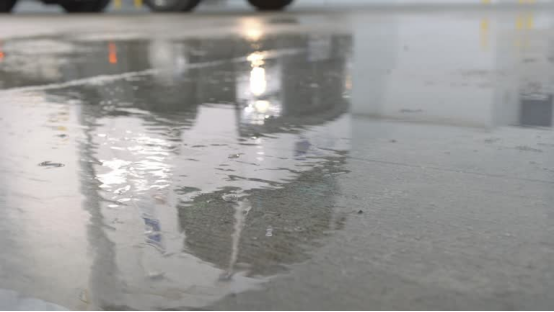
garage floor coatingWhy is humidity the biggest enemy of Garage Floor Coating curing failure?
Floor moisture pressure: a hidden threat
In humid regions, ground moisture pressure is an often overlooked but extremely important factor. Moisture pressure refers to the pressure exerted on a coating by moisture evaporating from beneath the ground or within the concrete. If the coating is not dried promptly or cannot effectively seal off moisture, the moisture will be “pushed” to the surface, causing the coating to fail to adhere firmly. Over time, this pressure can lead to coating peeling, blistering, or delamination.
Especially in underground garages or garages in humid environments, the moisture pressure on the ground can be more severe than in other places. If this problem is not effectively addressed, even a high-quality vapor pressure coating will not be able to perform its intended function.
The Importance of Concrete Moisture Content Testing
garage floor coating,Selecting a Garage Floor Coating , testing the moisture content of the concrete is an essential step. As the base material for the floor, the internal moisture content of concrete directly affects the curing effect of the coating. If the moisture content in the concrete is too high, it may react chemically with the coating, preventing it from adhering properly.
For car owners in high-humidity areas, moisture content testing is especially important. Most coating manufacturers recommend testing the concrete moisture content before application to ensure it does not exceed a certain standard (usually 4-5%). This testing helps car owners avoid coating failures caused by excessive moisture.
Insufficient primer penetration depth: the key to a moisture barrier
In humid environments, the selection and application of primer are crucial. The main function of primer is to provide a solid adhesion base and effectively prevent moisture penetration. If the primer penetration depth is insufficient, moisture cannot be effectively isolated, and the coating’s lifespan will be significantly shortened. Especially during humid seasons, moisture penetration to the ground often leads to premature aging or peeling of the coating.
garage floor coatingTherefore, in high-humidity areas, using a primer with strong penetration capabilities is crucial. Moisture barrier flooring primer effectively prevents moisture from penetrating the concrete surface, ensuring that the Garage Floor Coating adheres firmly and maintains its long-lasting effect in humid environments.
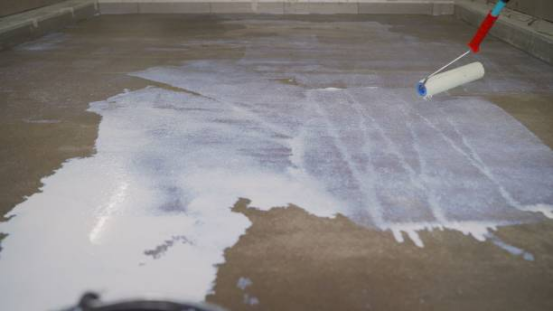
Moisture protection solutions tailored to different state climates
, chooseIn humid coastal areas: Choose coatings with strong water resistance.
garage floor coating.For humid coastal regions like Florida and Texas, moisture resistance is key to the successful curing of Garage Floor Coating . Car owners in coastal areas need to pay special attention; the coating must have strong moisture resistance to withstand prolonged high humidity.
Vapor pressure coatings can be considered. These coatings not only effectively resist moisture but also cope with the effects of temperature changes. Furthermore, when choosing a coating, special attention should be paid to the breathability and penetration depth of the primer to prevent moisture buildup.
Cold northern regions: Ensure effective moisture isolation
In colder regions like Minnesota and North Dakota, humidity management is equally important. In these areas, concrete can expand and contract during winter due to freeze-thaw cycles, allowing moisture to seep in. Therefore, when selecting a garage floor coating, special attention must be paid to the coating’s antifreeze properties and moisture barrier effectiveness.
A moisture barrier flooring primer is recommended. It effectively prevents moisture from penetrating downwards through the coating and provides strong protection against temperature changes. This not only avoids curing problems caused by humidity but also extends the coating’s lifespan.
Dry areas: Prevent excessive moisture buildup
Although humidity is low in arid regions, high summer temperatures and occasional rainy seasons can still cause moisture buildup in some areas. Therefore, car owners in arid regions like California and Nevada should choose coatings that adapt to seasonal changes and pay attention to the selection of the primer.
In these areas, when choosing a garage floor coating, the coating should be breathable to prevent mold or peeling caused by prolonged moisture buildup. Proper ventilation helps keep the floor dry, thus reducing the impact of moisture on the coating.

How can humidity issues be prevented from affecting the curing of garage floor coating?
Strictly control the construction environment
In high-humidity areas, controlling the construction environment is crucial. Construction should be avoided during rainy seasons or damp weather, and the garage floor should be kept dry and well-ventilated. Generally, indoor humidity should not exceed 60% during coating application. Excessive humidity can prolong drying time and even lead to curing failure.
Regularly monitor humidity
Humidity monitoring is crucial for ensuring that garage floor coatings maintain their optimal condition over the long term. Car owners should regularly check the humidity levels in their garages, using tools such as hygrometers to ensure that the humidity does not exceed the ideal range. Especially in high-humidity areas, timely detection and resolution of moisture problems can effectively extend the lifespan of the coating.
Choose a suitable coating material
Ultimately, choosing the right coating material is crucial. Considering the impact of humidity on coating curing, car owners should choose a garage floor coating with moisture-proof, waterproof, and corrosion-resistant properties. As mentioned earlier, moisture barrier flooring and vapor pressure coating can provide additional protection for car owners, helping garage floors cope with moisture challenges.
Conclusion
In areas with high humidity, choosing the right garage floor coating is key to ensuring the long-term stability of the coating. By understanding the impact of moisture on the coating and taking effective moisture-proofing measures, car owners can prevent premature aging and damage to the coating, ensuring the stability of the garage floor in varying climates.


