
Over time, garage floor coatings inevitably exhibit wear, cracks, and gloss degradation. Understanding these common signs of aging can help car owners better determine if their garage floors need recoating. This is not just about the appearance of the floor but also about maintaining its protective function. This article will help you identify signs of aging in your garage floor coating and take action before the coating fails.
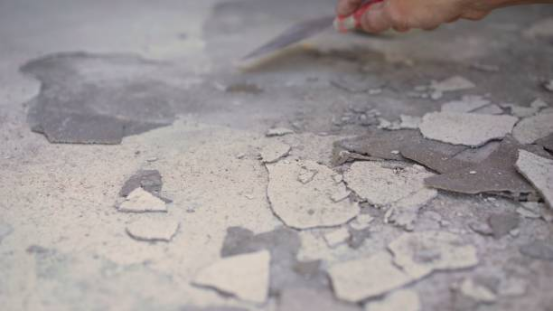
1. Cracks and breakage: early signs of aging
of epoxy aging is the appearance of cracks and breakage. As the ground temperature changes, the cement surface expands and contracts. This process of thermal expansion and contraction can cause the coating to crack and, in severe cases, even peel off. Cracks often occur in high-traffic areas, especially where wheels pass over surfaces.
Key points for identifying cracks:
- Observe for obvious cracks or peeling.
- Check the depth of the cracks. If the cracks are deep, they may have already affected the protective effect of the coating.
- If water accumulates at the crack, it means that the coating’s waterproofing function has failed.
How to handle it:
If cracks are found in the garage floor, they can be repaired using epoxy preparation technology, which involves applying a new coating. For large-area cracks, it may be necessary to recoat the entire garage floor.
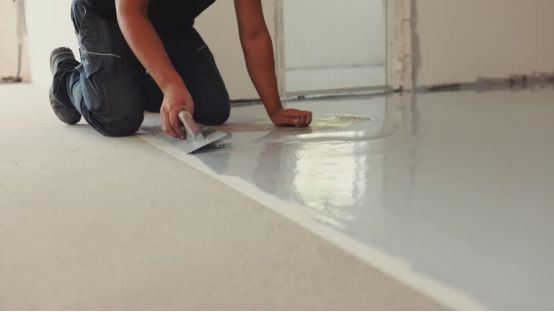
2. Wear and tear: Victims of high-traffic areas
Garage floors bear the weight of cars over long periods, especially in areas with frequent vehicle traffic, often resulting in coating wear and fading. UV-stabilized floor technology can effectively resist UV damage, but over time, garage floors will still discolor or fade due to oil stains, chemicals, and UV exposure.
Key points for observing wear and fading:
- Check high-traffic areas for noticeable fading or loss of shine.
- Inspect the edges of the garage and other high-pressure areas for any noticeable wear or scratches.
- If yellowing occurs, it indicates that the coating may be aging due to excessive ultraviolet radiation.
Prevention and solutions:
Regular cleaning and preventing oil buildup can slow down the fading process. If the coating fades severely or loses its shine, it may be necessary to recoat the entire floor, especially with a UV-resistant coating, which can effectively reduce UV damage to the floor.
3. Highlight degradation: loss of shine
Many garage floor coatings have a high-gloss finish, which enhances the overall visual appeal of the garage. However, prolonged use, chemical spills, and vehicle traffic can gradually diminish this gloss. Loss of gloss not only makes the garage look less clean but may also reduce the coating’s protective properties.
Signs of highlight degradation:
- The shine is significantly reduced and cannot be restored even after cleaning.
- The garage floor looked somewhat dark and did not reflect light.
- Oil stains, footprints, and other dirt appear on the floor and are difficult to remove after cleaning.
Solution:
If the gloss of the Garage Floor Coating has noticeably faded, it can be restored by applying a new coat. If the wear and tear is due to high-traffic areas, a thicker coating is recommended to increase its resistance to abrasion.
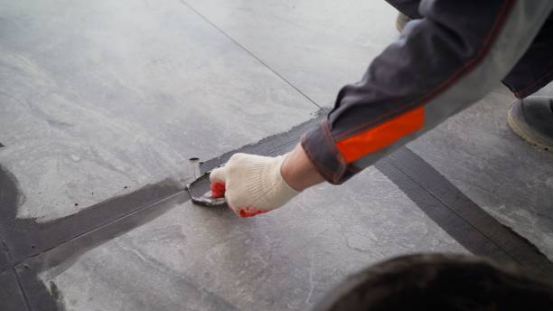
4. Peeling and flaking: The coating loses its adhesion.
When the garage floor coating begins to peel or detach, this is the most obvious sign of aging. According to the Coating Inspection Guide, peeling is an unmistakable indicator. Coating detachment usually occurs due to insufficient surface preparation during application or if the garage floor coating material fails to properly adhere to the cement surface.
The signs of peeling and flaking:
- There are clear signs of peeling or fragments of garage floor coating on the ground.
- The cement surface beneath the garage floor coating is exposed and unprotected.
- The coating may peel off easily when using mechanical tools or applying pressure.
Solution:
If peeling occurs, the detached garage floor coating must be completely removed, and epoxy preparation should be performed again. Ensure the surface is clean and free of oil before applying a new protective layer. Application should be done in dry, warm weather to achieve optimal adhesion.
5. Water penetration and moisture problems: The coating’s waterproofing function fails.
Moisture penetration is one of the root causes of aging in many garage floor coatings. Prolonged exposure to damp environments, or frequent cleaning of garage floors, allows moisture to seep between the coating and the cement surface, leading to bubbling, warping, or peeling. This is a common problem in the epoxy aging process, especially in humid areas.
Signs of water seepage:
- Check for water stains or damp areas.
- Check for air bubbles or bulges, which are usually caused by moisture seepage.
- Check if moisture has seeped in from cracks or peeling coating.
How to solve:
If water seepage is detected, first check if the garage’s drainage system is functioning properly. Then, you can use waterproofing materials from Garage Floor Coating or reapply a stronger sealant to prevent moisture from seeping in again.
How to determine if your Garage Floor Coating needs to be recoated
Regularly inspecting your garage floor coating can help you detect signs of aging early, preventing further damage. Cracks, fading, peeling, loss of shine, and water penetration are common signs of aging. Repairing or recoating these issues promptly can effectively extend the lifespan of your garage floor.
With proper maintenance and regular inspections, your garage floor can not only maintain its functionality but also remain clean and aesthetically pleasing for a long time. If you’re unsure how to determine or choose the right garage floor coating, please visit our website for more detailed information and professional advice.


