Is garage floor coating compatible with underfloor heating systems?

garage floor coating As home renovations have evolved, garages are no longer just storage spaces; they’ve become an integral part of life. For car owners looking to enhance the comfort and functionality of their garages, heated floor compatibility has become an increasingly popular choice. However, many car owners face a crucial question during the installation process: Is garage floor coating compatible with heated floor systems? This article will provide a comprehensive analysis of this issue, discussing key factors such as thermal expansion, material stability, and installation techniques to help you make the best decision.
Compatibility of Underfloor Heating Systems with Garage Floor Coating: Basic Concepts
warmly When discussing the compatibility of garage floor coatings with underfloor heating systems, we first need to understand how underfloor heating systems work. Underfloor heating systems warmly and comfortably fill a space by radiating heat from the floor. Generally, there are two types of underfloor heating systems: hydronic and electric. For garages, electric underfloor heating is typically preferred because it is more flexible and easier to install.
garage floor coating However, the heat from an underfloor heating system can affect the floor coating. Thermal expansion is an important factor to consider. If the coefficient of thermal expansion of the garage floor coating material does not match the temperature changes of the underfloor heating system, it may cause the coating to crack or peel. Therefore, understanding how different materials respond to temperature changes is crucial when selecting a coating.
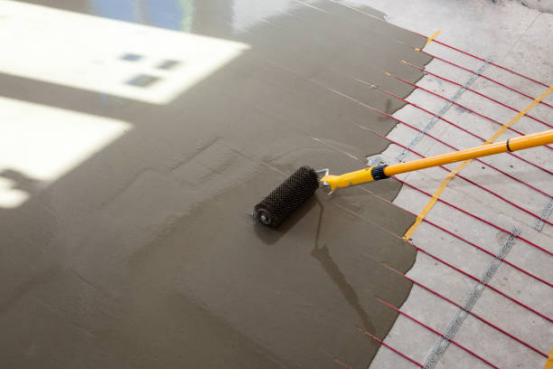
Thermal expansion and compatibility with underfloor heating
Thermal expansion coating is key to resolving compatibility issues between underfloor heating and garage floor coatings. Thermal expansion refers to the change in volume of a material when heated. If the garage floor coating material is incompatible with the underfloor heating system, the coating may expand or contract, leading to peeling or deformation. Therefore, choosing a garage floor coating with appropriate thermal expansion properties is crucial.
Choose suitable materials:
- :Epoxy Coating: Epoxy coating is a common garage floor coating. It has excellent heat resistance and can adapt to temperature fluctuations caused by underfloor heating systems. Epoxy coating has a low coefficient of thermal expansion, making it suitable for environments with large temperature differences, such as garages.
- :Polyurethane coating: Polyurethane coating has a relatively high coefficient of thermal expansion, but if a high-quality polyurethane coating is selected, it can still effectively resist the effects of heat changes.
For garages that frequently experience temperature fluctuations, epoxy aging and polyurethane coating aging also need to be considered. Under high temperatures, long-term use of the coating accelerates aging, affecting its durability and aesthetics. Therefore, ensuring that the coating’s thermal expansion matches the underfloor heating system is crucial for maintaining the integrity of the floor coating.
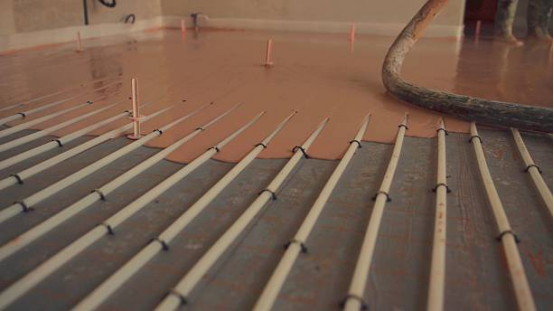
Material stability: How it affects the use of underfloor heating systems
The proper functioning of an underfloor heating system depends not only on its ability to adapt to temperature changes but also on the stability of the floor coating material. Choosing a highly stable coating can effectively extend the lifespan of the underfloor heating system and reduce the risk of coating damage.
Stability and durability:
- on Epoxy coatings: Epoxy coatings are widely used in garage floors due to their strong adhesion and hardness. They are not only resistant to high temperatures but can also withstand prolonged heating from underfloor heating systems without easily cracking or deforming. This makes epoxy coatings an ideal choice for compatibility with underfloor heating systems.
- :Polyurea Coating: Polyurea coatings offer excellent chemical and heat resistance, making them suitable for garages with significant temperature fluctuations. Their stability and durability also make them highly compatible with underfloor heating systems.
garage floor coating, However, the stability of different coating materials can be affected by external factors such as humidity, contact with chemicals, and temperature changes. If the coating lacks sufficient stability during heating, it may be affected, leading to damage. Therefore, when selecting a garage floor coating, in addition to the coefficient of thermal expansion, the stability of the material must also be considered.
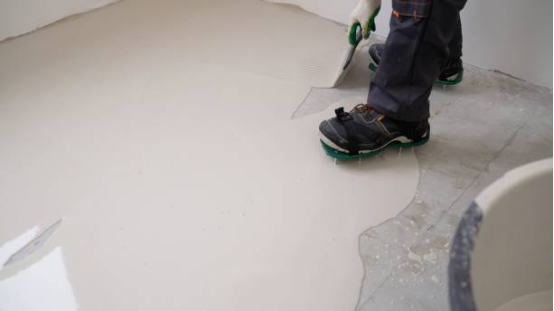
Installation Tips: Key Steps to Ensure Compatibility
the garage floor coating After selecting the appropriate coating material, the installation process is also a crucial step in ensuring the compatibility of the garage floor coating with the underfloor heating system. Proper installation techniques can effectively reduce problems caused by thermal expansion and ensure the long-term durability of the coating.
Key installation tips:
- Preparation: Before installation, ensure the garage floor is clean and free of cracks or uneven areas. Remove oil, dust, and other debris from the floor to prevent the coating from not adhering properly.
- :Installation sequence of underfloor heating system: When installing the underfloor heating system, ensure that the heating cables or water pipes are laid evenly and do not come into direct contact with the coating. Generally, the underfloor heating system should be installed at the bottom of the floor, while the coating should be applied to the floor surface. This avoids direct exposure of the coating to high temperatures and reduces the impact of temperature fluctuations on the coating.
- :Coating Application: When applying epoxy or other coatings, follow the manufacturer’s instructions. Ensure each layer is fully dry and avoid excessive temperature differences between coatings, which can cause loss of adhesion.
- avoid Curing period: The curing period for the coating is critical. Avoid using the garage, especially avoid prolonged heating of the floor, until the coating is dry and fully hardened. Typically, the coating takes several days to a week to fully cure.
A balance between compatibility and durability
A garage floor coating with an underfloor heating system depends not only on the coating’s coefficient of thermal expansion but also on its stability, durability, and the details of the installation process. Choosing the right coating material and employing correct installation techniques can maximize the long-term compatibility between the coating and the underfloor heating system and prevent problems such as cracking and peeling caused by temperature changes.
If you’re planning to install underfloor heating in your garage and want to provide proper protection for your floor coating, choosing a garage floor coating that is heat-resistant and has a moderate coefficient of thermal expansion is crucial. With careful selection and professional installation, you can create a garage space that is both comfortable and durable, transforming it from a place to store tools into a comfortable and inviting home space that can be used for a long time.


