
For families living in the southern United States, the high temperatures of summer are undoubtedly the most severe test for garage floors. Sustained high temperatures, intense sunlight, and humidity can severely damage unprotected garage floors, leading to problems such as blistering, discoloration, and coating peeling. This article will explore why garage floor coating is especially important in hot climates and how to choose a heat-resistant and yellowing-resistant coating to ensure the durability and aesthetics of your garage floors.
High temperatures pose a challenge to garage floors
In hot regions like the southern United States, garage floors face extreme weather challenges almost all day long. Summer temperatures often exceed 32°C (90°F), and these high temperatures not only put stress on garage floors but can also cause cracks, peeling, and reduced coating adhesion. Especially in garages without proper coating protection, the constant exposure to sunlight causes the concrete floor to expand and contract repeatedly, gradually damaging the coating.
Besides high temperatures, humidity is another factor affecting garage floor coatings. Especially in southern regions where humidity is high, rainwater seeps into the garage floor, accelerating damage to the coating. Understanding these issues is a crucial step when choosing a garage floor coating.
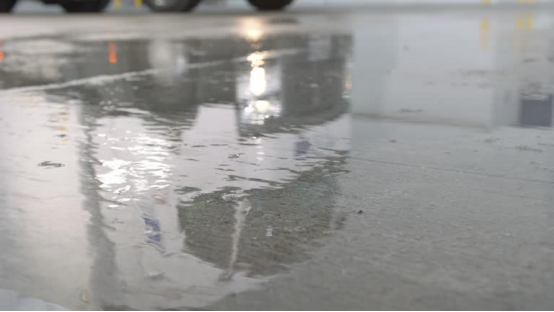
The Impact of High Temperatures on Garage Floors
In southern regions, summer temperatures often exceed 100°F (38°C), placing significant stress on garage floors. Garage floors, especially those with unprotected or thin garage floor coating, are particularly vulnerable to high-heat effects.
1. Yellowing and Fading
Ultraviolet rays not only cause flooring to yellow but also accelerate the aging and fading of the garage floor coating. This yellowing is more pronounced on floors with thinner coatings or without UV stabilizers.
2. Cracking from Thermal Expansion and Contraction
High temperatures cause the floor to expand, while cooler nighttime temperatures make it contract. This repeated cycle of expansion and contraction can lead to cracks and peeling in the garage floor coating over time.
3. Adhesion Issues
Under extreme heat, the garage floor coating may lose adhesion to the concrete surface, resulting in peeling and flaking. Areas with accumulated grease or chemical residues are especially prone to adhesion failure.
Conclusion
Maintaining garage floors in high-temperature climates requires protecting the garage floor coating from UV exposure, thermal stress, and chemical contamination. Proper precautions ensure long-term durability and preserve both the appearance and functionality of the floor.
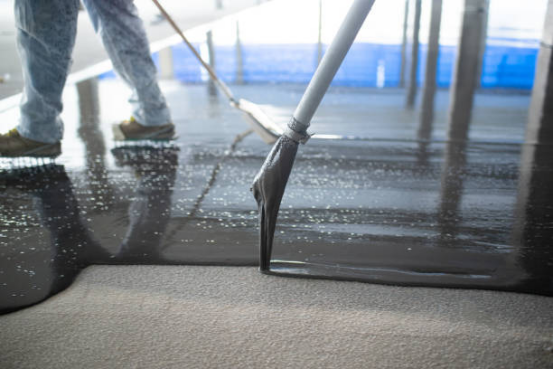
Why are heat-resistant coatings so important for garages in the South?
Heat-resistant coatings are more than just aesthetics for garage floors. Their core function is to protect the floor from damage caused by extreme temperatures. High-quality coatings use special polymers and resins designed to remain stable at high temperatures, preventing cracking, peeling, or loss of adhesion. When garage floors are exposed to sunlight, this heat-resistant coating effectively blocks heat from penetrating the surface, protecting the cement from the stress of temperature fluctuations.
Another benefit of choosing a heat-resistant coating is its ability to better maintain the integrity of garage floors. Without proper coating protection, garage floors frequently experience thermal expansion and contraction, which can lead to blistering, peeling, and damage. Using a heat-resistant coating reduces these problems, ensuring that garage floors maintain their structure and appearance for a long time.
Advantages of high-temperature resistant garage floor coatings
Garage floor coating is an ideal solution, especially in high-temperature environments. By using a coating with high-temperature resistance and UV protection, the lifespan of garage floors can be effectively extended, and their appearance and performance improved. Several key advantages of high-temperature-resistant coatings include:
- UV Protection Technology: UV-stable floor coating effectively prevents damage from ultraviolet (UV) rays. UV rays can cause many floor coatings to yellow, but UV-stable coatings reduce this, keeping garage floors clean and bright.
- Crack and peel resistance: The high-temperature-resistant coating enhances the adhesion of the material, preventing the coating from cracking or peeling due to thermal expansion and contraction. Even under the harshest high-temperature conditions, the floor surface remains intact.
- Durability and longevity: The high-quality, high-temperature-resistant coating uses advanced resins and chemicals that enable it to maintain its strength and elasticity for extended periods under the combined effects of high temperatures and ultraviolet radiation. This allows the coating to withstand not only high temperatures but also the wear and tear of daily use.
Material selection and construction of high-temperature garage coatings
To ensure that garage floor coating functions effectively in the hot southern climate, material selection and application are crucial steps. Choosing the right materials and application methods ensures long-lasting protection of the coating:
- Material selection is crucial: In hot climates, ordinary floor coatings may not withstand prolonged exposure to heat and UV rays. Therefore, choosing a coating with heat-resistant properties is essential. These coatings use high-temperature-resistant resin materials that can withstand extreme temperature changes and are not easily degraded by high temperatures.
- Precise application: Temperature control during the application process is crucial. Garage flooring should ideally be applied during cooler periods of the day to avoid direct application at high temperatures. Excessive heat can cause the coating to dry too quickly, leading to reduced adhesion. Ensuring the surface is clean and free of oil is also key to ensuring strong coating adhesion.
- Multi-layer coating: In extreme climatic conditions, a single layer may not provide sufficient protection. Multi-layer coating is recommended to increase coating thickness and protective capacity, thus better resisting UV rays, heat, and mechanical abrasion.
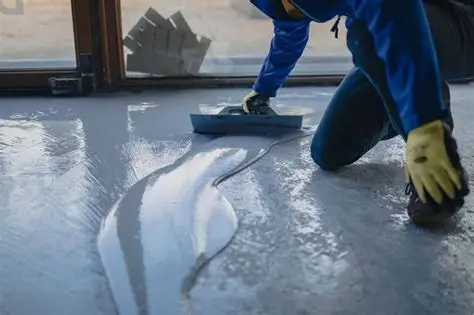
The protective effect of UV-stabilized coatings on garage floors
stabilized. In high-temperature climates, the effects of ultraviolet (UV) radiation cannot be ignored. Prolonged UV exposure can not only discolor garage floors but also significantly reduce the protective properties of coatings. UV-stabilized flooring is designed to address this issue. It effectively resists UV damage, preventing fading, yellowing, and breakage, maintaining the original color and texture of the garage floor.
For residents of sunny southern regions, choosing a UV-stable coating is crucial. This type of coating not only enhances the durability of the flooring but also extends its lifespan, ensuring the garage maintains a good appearance even after prolonged exposure to sunlight.
Smart Coating and Environmental Protection Technology
With advancements in technology, garage floor coatings are constantly innovating. For example, many coating products now incorporate smart coating technology, enhancing durability and self-healing capabilities by adding nanoparticles or self-healing techniques. These emerging coating technologies not only better resist high temperatures and ultraviolet radiation but also automatically repair themselves when damaged, extending their lifespan.
Furthermore, environmentally friendly technologies are increasingly being used in coating materials. Many modern coating products employ solvent-free formulations, reducing emissions of volatile chemicals and making them more environmentally friendly. With the development of green technologies, future garage floor coatings will not only have better high-temperature resistance but will also be more environmentally friendly and sustainable.
Conclusion
In hot climates, protecting garage floors from extreme weather is crucial. Choosing a high-quality garage floor coating effectively prevents damage from UV rays, heat, and moisture, ensuring your garage floor remains in good condition for a long time. With the right selection and professional installation, you can achieve your garage floor’s optimal performance.


