Performance and Risk Analysis of Garage Floor Coating in Extremely Cold Regions

During the cold winter months, garages often become an area requiring special attention. With the arrival of temperature drops and heavy snow, the durability and protection of garage floors become particularly important, especially in extremely cold environments. Choosing the right garage floor coating becomes a top priority for car owners. With the widespread use of de-icing, salt, and snow-melting agents, many car owners are beginning to realize that improper floor coatings can age rapidly in cold weather and even cause long-term damage to the floor.
This article will explore in detail the performance of garage floor coating in extremely cold regions, analyze the aging characteristics of the coating in freezing, salt, and de-icing agent environments, and discuss how to choose a suitable floor coating for cold regions, helping car owners in cold areas maintain the integrity and aesthetics of their garage floors during winter.
Why do garage floors in extremely cold regions require special attention?
Drivers in extremely cold regions face multiple challenges, especially with the arrival of winter. Garage floors not only have to withstand the freezing temperatures but also the erosion caused by salts and de-icing agents. Drivers typically use these de-icing agents and salts to keep driveways and garages clean, but the impact of these substances on floor coatings is often overlooked.
The chemicals in salt and de-icing agents can rapidly corrode floor coatings, especially when these substances mix with ice and snow, creating a strong chemical reaction that can easily lead to coating failure and accelerate floor wear and aging. Therefore, choosing a garage floor coating suitable for cold climates is crucial. It needs to withstand extreme temperature changes and possess properties such as corrosion resistance, freeze resistance, and abrasion resistance.
Performance of Garage Floor Coating in Extremely Cold Regions
The effects of freezing and extremely low temperatures
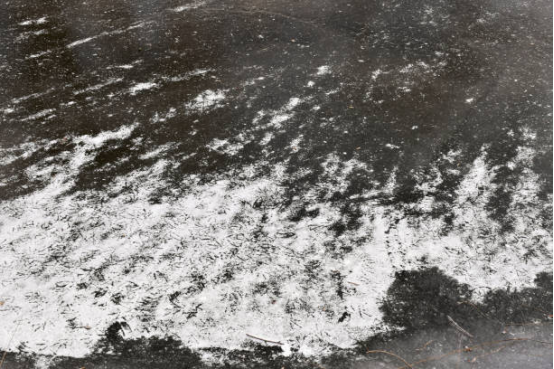
In extremely cold regions, the freezing temperatures pose a severe challenge to garage floor coatings. Most floor coating materials become brittle at low temperatures, making them prone to cracking or peeling. Furthermore, with the arrival of winter, car owners may frequently bring snow into their garages, where the melted snow freezes on the floor, putting pressure on the coating surface and causing it to crack.
Freeze-resistant coatings are developed to cope with such extreme environments. They prevent moisture from penetrating the coating and reduce damage caused by the expansion and freezing of moisture at low temperatures. Therefore, choosing a coating with antifreeze capabilities is crucial. For garages that are exposed to extremely cold weather for extended periods, the coating material needs to have excellent freeze resistance to ensure stable performance even in low-temperature environments.
Erosion from salt and de-icing agents
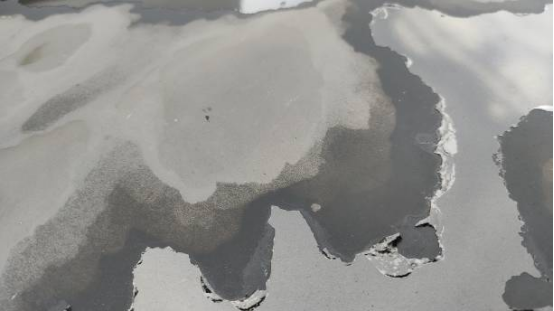
In cold regions, salt and de-icing agents are commonly used to remove snow and ice from roads and garages. However, these chemicals can remain on garage floors after cleaning, and over time, they can corrode garage floor coatings, especially those without corrosion resistance. This corrosion can not only cause the coating to peel off but also leave stubborn stains on the floor.
Choosing a coating that resists salt and de-icing agents can effectively extend the lifespan of your garage floor. For car owners in cold regions, selecting a garage floor coating that is resistant to salt and chemical corrosion is key to preventing long-term damage.
The link between de-icing agents and garage floor aging
When de-icing agents come into contact with vehicle wheels, they typically seep into the garage and directly affect the floor coating. Over time, the chemicals in these agents not only corrode the coating but can also penetrate the subfloor, causing even more serious damage. To avoid this, winter garage floor care relies not only on regular cleaning but also on choosing a coating with de-icing agent resistance. This ensures the floor is less susceptible to chemical erosion, reducing the rate of aging and corrosion.
How to choose a garage floor coating suitable for cold regions?
Considering the coating’s resistance to freezing and corrosion
First and foremost, when choosing a garage floor coating, it’s crucial to check its frost and corrosion resistance. Frost resistance is especially important in extremely cold weather. The coating material needs sufficient flexibility to prevent cracking or peeling due to sudden temperature drops. Corrosion resistance is also a vital factor to consider when purchasing a coating, particularly in areas where de-icing agents and salt deposits are frequently used.
Some durable freeze-resistant coatings, such as epoxy or polyurethane coatings, are effective against these chemicals and perform exceptionally well in winter conditions. Choosing this type of coating not only extends the lifespan of your garage floor but also reduces the hassle of winter maintenance for car owners.
Choose a coating that is wear-resistant and easy to clean.
In cold regions, car owners often need to bring large amounts of snow into their garages. This snowmelt, mixed with salt and dirt, can cause wear and tear on the floor. Therefore, choosing a durable and easy-to-clean garage floor coating is a wise decision. The coating surface should have good stain resistance so that it is not easily left with stains and marks when cleaning.
Some high-quality epoxy coatings offer excellent abrasion resistance while also being easy to clean. This means that even with frequent cleaning of the garage floor in winter, the coating can remain smooth and flat, preventing surface damage caused by long-term wear.
Coating adaptability and application difficulty
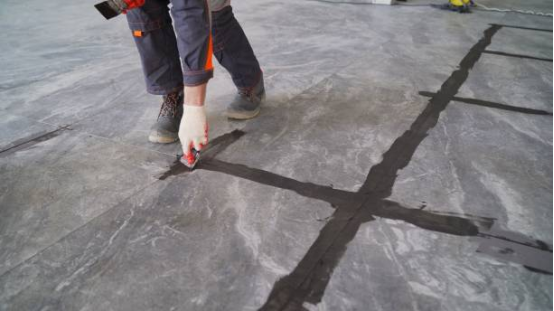
When choosing a garage floor coating, car owners also need to consider the coating’s application difficulty and adaptability. In areas with low temperatures, the application temperature is crucial; many coatings require application within a specific temperature range to ensure effectiveness. Therefore, car owners should choose coating products suitable for application in low-temperature environments to avoid problems such as weak adhesion or bubbles caused by improper application.
Conclusion
When choosing garage floor coatings, car owners in extremely cold regions need to pay special attention to the coating’s frost resistance, corrosion resistance, and abrasion resistance. By selecting appropriate coating materials and properly maintaining their garage floors during winter, car owners can protect their garage floors from aging and damage caused by factors such as salt stains and de-icing agents.


