Garage Floor Coating Care Manual: How to Keep Your Coating Shining Like New

How many people actually adhere to regular garage floor maintenance? Most of the time, we only realize that the once-glossy garage floor coating is quietly losing its protective power when we see scratches, dust accumulation, or whitening water stains. But in reality, the gloss of a floor coating isn’t a “permanent contract”; it’s more like a partnership with time—only those who know how to maintain it can keep it looking its best for a long time.
In this maintenance manual, we will break down the “health management process” of garage floor coating step by step, from cleaning frequency, recommended cleaning agents, scratch repair, and periodic inspections to help you extend the life of the coating and keep the floor always having the mirror-like texture it had when it was just completed.
Table of Contents
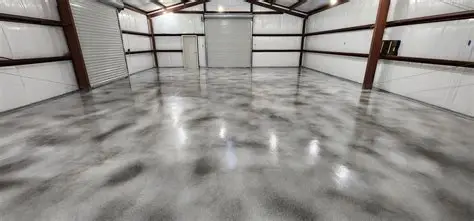
Cleaning frequency: Don’t let dust become a “chronic poison” for the coating
Many people think that an occasional rinse is enough for garage floor coatings, but dust, fine sand, and chemical residue are the number one enemies of the garage floor coating’s shine. According to the American Concrete Flooring Institute (ACI) maintenance guide, the recommended cleaning frequency is a light cleaning every two weeks and a deep cleaning every quarter.
For light cleaning, use a soft-bristled broom or vacuum cleaner to remove surface particles, then wipe with warm water and a neutral detergent. Be careful to avoid using high-alkaline or ammonia-containing cleaners—these chemicals will gradually erode the surface of the floor coating, causing matting and cracking.
If you live in an area with high humidity, it’s recommended to use a dry cloth to dry the surface after each cleaning. Residual moisture can cause water vapor to seep under the coating, which can cause bubbles or peeling over time.
The core of deep cleaning is to remove oil and rubber marks. Choose an environmentally friendly solvent designed specifically for epoxy or polyurethane coatings, such as a citrus-based degreaser. This degreaser effectively removes oil and tire marks without damaging the protective film layer of the coating.
Recommended Cleaners: Choice is More Important Than Strength
gentle.” In the market, you will see all kinds of cleaners with the banner of “powerful stain removal” and “instant bright cleaning,” but for garage floor coating, the key is not “how strong” but “how gentle.”
An ideal cleaning agent should meet the following three requirements:
- Neutral pH (between 6 and 8) : Effective cleaning without damaging the coating structure;
- :No abrasive particles: avoid scratching the glossy layer;
- No-VOC or low-VOC formula: reduces irritating odors and maintains garage air quality.
Professional-grade products like Eco-Clean Concrete Soap or Simple Green Concrete Cleaner are good choices. They dissolve oils and grease without damaging the polyurethane molecules while maintaining a uniform reflective finish on the surface.
Bonus tip: Never use bleach or alcohol-based cleaners. These may appear “brighter” temporarily but will show signs of fading after a few weeks. This is a catastrophic visual loss for those who want to preserve the original brightness of their garage floor coating.
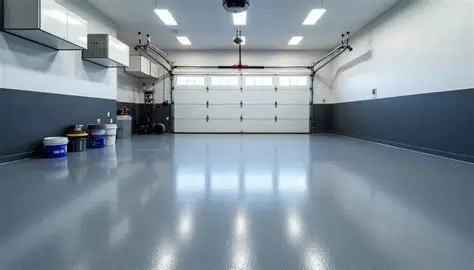
Scratch Repair: Easier Than You Think
Even with the best of care, a dropped tool or a dragging tire can still leave scratches. Fortunately, repairing garage floor coating isn’t difficult if you follow the right steps.
First, lightly sand the damaged area with fine sandpaper (400 grit is recommended) to remove loose edges. Then, clean and allow to dry completely. Next, apply a thin layer of polyurethane touch-up coating (compatible with the original finish). Once dry, cover with a clear sealer.
If the scratch is deep or larger than the size of your palm, we recommend reapplying a layer of local topcoat. Color and gloss matching is particularly important in this situation. A small test coat can be used to confirm the color difference before applying the full finish.
Professional applicators typically recommend a full recoating every two to three years. This isn’t unnecessary—the surface polymer of the floor coating gradually degrades under the combined effects of ultraviolet rays and wheel friction. A thin recoat can significantly extend the protective period and restore the mirror-like reflective texture.
Periodic inspection: Maintenance starts with problem discovery
The ultimate goal of maintenance is never “repair” but “prevention.” Regularly checking the condition of your garage floor coating is key to preventing expensive recoating.
The recommended cycles are:
- Perform a visual inspection once a month: Check for obvious wear, blistering, or discoloration;
- Structural inspection every six months: Check whether there is any warping at the junction of the coating and the ground;
- :Annual anti-slip performance test: especially suitable for garages with humid climates or frequent use.
An often overlooked detail is the joint between the floor and the wall. The gap there is most likely to trap water or oil. If not cleaned promptly, the coating will gradually peel at the edge. Use polyurethane sealant to reseal the edges to maintain a tight seal.
polyurea. At the same time, if you notice localized darkening or yellowing, this usually means that the coating has been affected by UV rays or heat accumulation. Modern products such as UV-stable epoxy or polyurea systems can effectively solve this problem when recoating later.
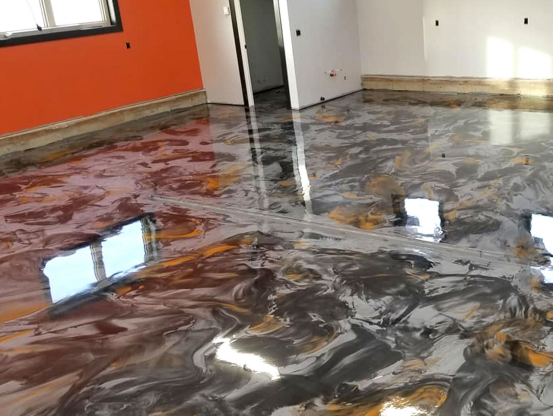
Extended topic: Thinking from maintenance to upgrade
Basic maintenance is just the first step. Foresighted users will consider this as extended asset management. Garage floor coating isn’t just for waterproofing and slip resistance; it’s part of the overall quality of your home.
If you have been using epoxy resin for many years, you may consider upgrading to a hybrid coating, which combines the flexibility of polyurethane with the hardness of epoxy resin, providing better resistance to tire heat marks and chemical corrosion.
Perhaps you can also refer to some high-end garage design practices—by adding anti-slip particles, nano-anti-fouling layers, or even reflective powder coatings, you can create “floor art” that is both practical and showy.
Conclusion
Garage floor coating is essentially a battle of time, detail, and responsibility. Cleaning isn’t a routine; it’s a habit that keeps your space radiant. With a little patience and regular maintenance, even years later, you can still see that shiny, new-looking coating quietly reflecting off your car, as if nothing has aged.


