How to choose the right color for your garage floor coating

Many people think that garage floor coating is more of a “technical job,” where the color is simply picked randomly and won’t make a big difference. But when you actually step into a garage space with a well-coordinated color scheme and a perfect balance of light and shadow, the impact of that “instant refresh” is often more direct than new furniture. Color changes more than just a floor; it changes the entire atmosphere, scale, and contrast of the garage, and even recalibrates your mood when entering or leaving it.
Color is a complex issue, sometimes simple, sometimes complicated, causing homeowners much anxiety. Especially since garage floor coatings often last for years after curing, an unsuitable color choice means enduring a less-than-ideal visual result every day. So, the questions arise: What color should the garage be? Are darker colors more resistant to dirt? Does a light gray really make the space appear larger? Will the color change under different lighting conditions? These questions are constantly raised in space design and practical user experience.
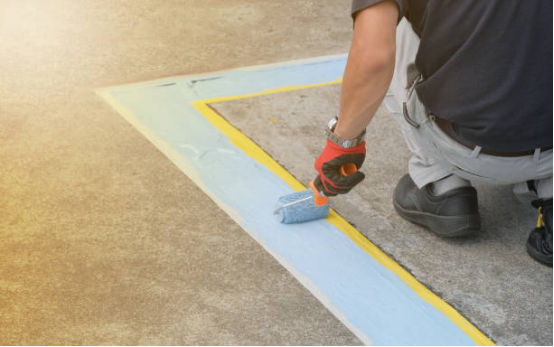
The “tone” of a garage space: How color influences the sense of space and user experience
The color scheme for a garage is completely different from that for an interior space. This is because there are several unique variables in a garage:
The lighting is usually weak : natural light is limited, and overhead lights are mostly cool white or yellowish.
The floor bears a lot of signs of use : tire marks, dust, engine oil, gravel… If the wrong color is chosen, stains will be much more noticeable.
The car’s color participates in the visual composition : many users don’t realize that the most eye-catching thing in the garage is not the floor, but the car parked on it.
These factors will cause the colors of the Garage Floor Coating to have a different visual effect than the sample.
Here’s a real-life example: A homeowner originally wanted a dark gray, thinking it would be “stable and easy to clean,” but the garage only had one overhead light, resulting in uneven lighting. The dark gray made the space feel oppressive and bluish, making the entire garage look like an underground parking lot. Later, he changed it to a medium-brightness warm gray, and the garage instantly became much brighter, and the visual space also expanded considerably.
This type of experience is typical and reflects one thing:
Color does not exist in isolation; it is always interacting with space, light, and focal points.
Therefore, before officially determining the color of the Garage Floor Coating, we can first break down the spatial atmosphere into three directions:
brighter, more stable, and more personalized.
These three approaches can cover the needs of the vast majority of users’ garages.
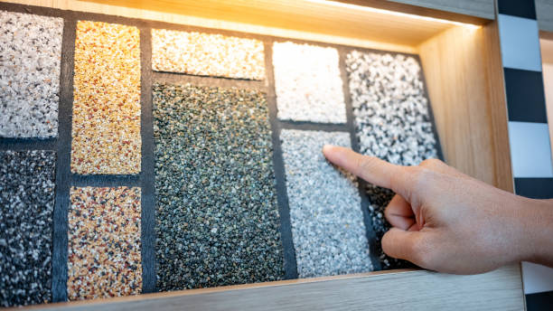
Bright color schemes: the first choice to make your garage “bigger” and “cleaner”.
A dark garage is a common and real problem for many families. Choosing lighter garage floor colors can significantly change the visual effect, making the space look lighter and cleaner.
Why do light-colored floors appear larger?
Because lighter colors increase overall reflectivity.
Garments typically have only one or two light sources, and a light coating diffuses the light outwards, making walls, vehicles, and shelves clearer.
Common bright color tones in the industry include:
- Light gray
- Off-white (grey and white)
- Cool gray, a light gray with a hint of blue.
However, light colors aren’t a panacea, especially in areas with high usage and lots of grit (like the southwestern United States or some cities in Australia), where light-colored floors tend to make minor scratches more noticeable. But because most garage floor coatings are relatively hard coating systems, and minor scratches aren’t visible from a distance, the overall experience is still quite positive.
Visual atmosphere: Clean, neutral, and open
If your garage is often used as a multi-functional area—such as a gym, woodworking space, storage area, or workbench—a light-colored floor will feel less oppressive than a dark-colored one.
Neutral gray and natural tones: the most dirt-resistant, aesthetically pleasing, and versatile color palette for Garage Floor Coating.
Most users ultimately choose colors in the gray family for their garage floor coating. The reason is not hard to understand: gray has the strongest color matching ability, can easily blend into vehicle colors, walls, tool cabinets, and is also more suitable for aesthetic flooring designs with a more homey feel.
Why is gray so versatile for Garage Floor Coating?
Gray serves as a visual buffer.
The garage has too many strong colors—red tool cabinets, black tires, blue storage boxes, yellow warning stickers.
If the garage floor coating is painted in warm or medium gray, these objects will blend naturally into the visual background without appearing jarring or making the garage look cluttered.
Gray is also very suitable for adjusting light:
- It is not dazzling in strong light.
- It can maintain a certain level of brightness in a poorly lit garage.
- Minimal color shift under different seasons and weather conditions.
User experience: Stain-resistant but not “too dark” for Garage Floor Coating
Many homeowners initially worried that medium gray would make their garages appear dark, but in practice, medium gray is actually the safest visual option for garage floor coating. Tire marks are not particularly noticeable on gray, and the dusty look is not prominent, making overall maintenance more flexible.
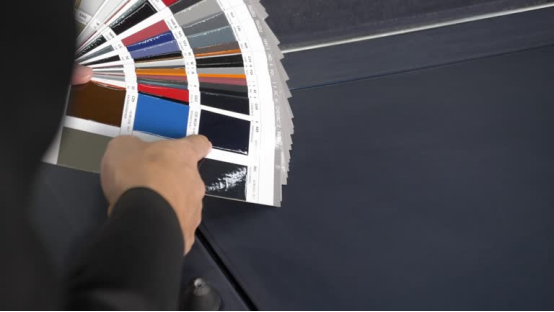
Dark colors and personalized touches: The “presence” and “style” of a garage begin with color.
Dark-toned garage floor coatings are a preference of a minority of users, but when done well, they can make a garage look very professional, even resembling a commercial showroom.
Common dark tones include:
- Charcoal series carbon ash
- Graphite, a slightly metallic dark gray
- Navy gray with cool blue-gray undertones
Why do dark colors appear “professional”?
Dark floors typically emphasize a modern feel and complement metallic materials, cool-toned lighting, and vehicle reflections.
If your garage is primarily used for mechanics, tool organization, or even showcasing your cars, a dark floor will create a clearer visual theme for the space.
But dark colors come at a price.
- Dust is more noticeable
- The scratches are more noticeable on lighter colors
- A poorly lit garage can easily appear dark.
Many professional construction teams recommend pairing dark-colored floors with light-colored walls or more ample lighting to avoid the feeling of “compressing the space”.
Color matching logic: Start with the purpose of the garage, not with your favorite colors.
Choosing a color for your garage floor coating isn’t simply a matter of “picking whatever you like.” The functionality of color is far more important in the garage than in the living room or bedroom.
Here is a more practical color matching logic to help you clarify your needs before selecting colors.
1. Purpose Orientation: Is the garage for parking spaces or a mixed-use space?
A. If the primary function is parking:
The color of your garage floor coating should be related to the vehicle’s color, light reflection, and visual distance.
- A dark-colored car paired with a dark-colored garage floor coating will reduce the overall contrast, making the car less prominent.
- Light-colored cars paired with light-colored garage floor coatings tend to blend visually, making the car’s silhouette appear more “floating.”
The most balanced approach is either “car deep, track shallow” or “car shallow, track deep.”
B. For workspaces/fitness areas/multifunctional spaces:
Light or medium gray garage floor coatings are more practical because they can enhance overall lighting and reduce the feeling of oppression in the space.
2. Light Judgment: Natural light and artificial light will change color.
Garage floor coating will be 5%-15% darker than the sample color after curing.
This is almost a consensus in the industry.
therefore:
- In low light, light colors and medium grays are more reliable.
- When the light is yellowish, cool gray is less likely to appear “dirty yellow”.
- Cool white lighting → Warm gray can make a garage feel warmer.
3. Storage capacity for miscellaneous items: The more cluttered the storage, the more neutral ash is needed.
If your garage is often cluttered with equipment, boxes, and tool racks, neutral gray will automatically “reduce noise . “
The less visual clutter, the more organized it looks.
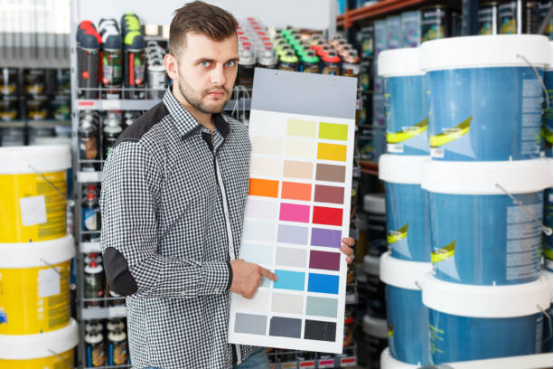
Real user preference trends: Which colors are most popular?
Based on case studies from several major North American coating contractors (combined with actual installation data from 2022–2024):
The three most popular colors:
- Medium gray
- Light gray
- Warm gray
While dark colors have their supporters, their proportion is significantly lower, and they are mostly used by users who use their garages as showrooms.
These data show that color preferences do not vary significantly by region, and neutral gray is indeed the safest and most practical garage floor color.
How can you judge the final effect from the sample colors?
Garage floor coating will change in gloss and brightness after curing, so judging by a sample alone is often misleading.
Here are some professional judgment tips:
1. View the mock-up in an actual garage, not under indoor lighting.
The temperature of the garage’s lighting will affect how colors appear.
2. Observe the sample by placing it on the ground, rather than holding it in your hand.
The angle of light reflection on the ground is completely different.
3. Enlarge the sample area.
The darker the color, the heavier it will appear when the area is enlarged.
4. Simultaneously compare the colors of the walls and the car body.
Color does not exist in isolation; it is always part of the composition.
Color Scheme Suggestions: How to Make Garage Floor Coating Colors More “Aesthetically Pleasing”
Recommendation 1: More grayish than white
A completely white floor is prone to getting dirty and is not suitable for areas with frequent traffic or lots of gravel.
Recommendation 2: The contrast between light and dark shades should not exceed two levels.
For example, a deep car on a very shallow track, or a shallow car on a very deep track, can both create a sense of disharmony.
Recommendation 3: Consider “future items”
You may add storage shelves, workbenches, or fitness equipment in the future. These items are usually dark in color, so the floor should not be too dark.
Recommendation 4: If you’re unsure, start with a shade somewhere between warm gray and light gray.
This is the color range with the highest success rate.
Color determines the character of your garage, and you decide the color.
your garage floor coating is no small matter; it’s far more complex than simply looking “good.” It alters the atmosphere, the interplay of light and shadow, the user experience, and the mood you feel every time you step into your garage. Light colors create a sense of spaciousness, medium grays are the most stable and timeless, while darker colors offer more personality but require stronger lighting to complement them.
There’s no single right color, but your garage definitely has one that suits it best.


