Relationship between Garage Floor Coating and Concrete Aging

garage floor coating garage floor coatingThe aging of concrete floors rarely happens overnight. It’s more like a slow but continuous curve: the color darkens first, the texture underfoot gradually becomes rougher, and fine dust begins to accumulate in the corners until one day, people realize that the concrete has “aged.” This change is particularly noticeable in semi-enclosed spaces like garages. The pressure from vehicles entering and exiting, the repeated intrusion of moisture, and the long-term exposure to chemicals all silently accelerate the deterioration process of concrete. It is against this backdrop that Garage Floor Coating is frequently mentioned, not as decoration, but as a technological approach to slow down the aging of concrete.
garage floor coating garage floor coatingThis article will systematically analyze why concrete ages, starting from three core mechanisms: concrete carbonation, microcrack propagation, and surface powdering, and the role of Garage Floor Coating in this process. We will also clearly point out which aging stages are suitable for direct coating application and in which cases repair must be completed first; otherwise, the coating will only mask the problem, not solve it.
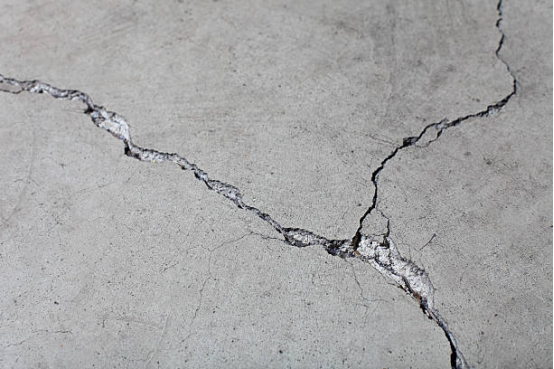
Concrete carbonation: an invisible chemical change, the first sign of aging.
When concrete is first poured, its internal environment is highly alkaline, which is its natural “self-protection mechanism.” However, over time, carbon dioxide from the air gradually seeps into the pores of the concrete and reacts with the calcium hydroxide to form calcium carbonate. This process is called carbonation.
On the surface, carbonation appears almost entirely devoid of dramatic signs. There are no cracks, no peeling, and it’s barely perceptible to the naked eye. However, professional testing reveals that the concrete’s alkalinity is decreasing, its pore structure is changing, and the internal reinforcing steel (if present) is gradually losing its protective environment. This is the earliest and most easily overlooked stage of concrete surface degradation.
garage floor coatingAt this stage, the significance of Garage Floor Coating lies primarily in its “isolation” function. By forming a continuous, dense layer on the floor surface, the Garage Floor Coating can significantly reduce the penetration rate of carbon dioxide, water vapor, and other reactive gases. Industry test data shows that properly applied Garage Floor Coating floors exhibit a significantly slower rate of carbonation depth growth, which is one of the reasons why many industrial and commercial garages consider Garage Floor Coating a fundamental maintenance measure.
It is important to emphasize that if the concrete is still structurally intact and has a solid surface, it can usually be coated directly with Garage Floor Coating without additional repairs. This stage is considered the “golden window” for concrete aging prevention.
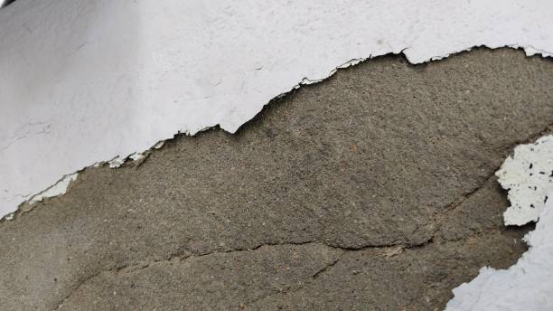
Microcrack Propagation: A Critical Turning Point from Structural Stress to Surface Failure
If carbonation is the starting point of aging, then the appearance of microcracks means that concrete has begun to be subjected to stress beyond its comfort zone. Temperature changes, vehicle loads, slight foundation settlement, and even shrinkage stress in the early stages of construction can all leave cracks inside the concrete that are difficult to see with the naked eye.
These microcracks don’t immediately affect functionality in the early stages, but they provide a “fast track” for moisture, oil, and salt. Once these substances enter the crack, it’s no longer static; it gradually expands through repeated freeze-thaw cycles or chemical erosion. This is precisely an aspect often overlooked in garage floor protection discussions: it’s not the crack itself that’s dangerous, but the chain reaction it triggers.
garage floor coating garage floor coatingAt this stage, the role of Garage Floor Coating becomes more complex. A high-quality coating can bridge microcracks to some extent, slowing their further propagation while preventing the intrusion of external contaminants. However, this is contingent on these cracks remaining inactive, with their width and depth within controllable limits.
If the crack has clearly penetrated the surface layer, or if displacement can be felt when stepped on, then direct coating often has limited effectiveness. The general consensus in industry practice is that cracks must be cleaned, filled, and stabilized before coating. Otherwise, the coating may crack and peel in a short period, actually accelerating surface failure.
Surface powdering: The critical point from aesthetic problems to functional degradation
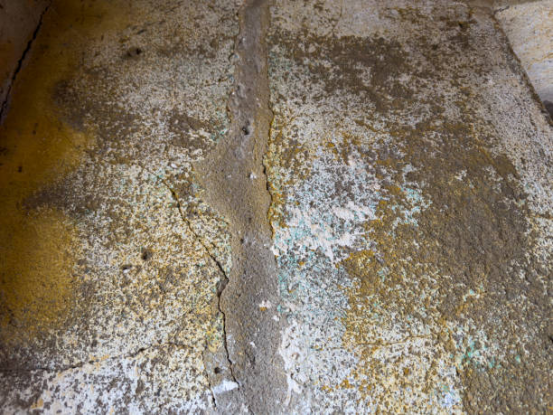
When concrete ages and enters the surface powdering stage, the problem is no longer hidden. Shoe soles leave grayish-white marks, the floor always looks “dirty,” and new dust quickly reappears after cleaning. This phenomenon usually stems from structural damage to the surface cement paste, which may be related to long-term carbonation, repeated wet-dry cycles, or poor early construction quality.
experience but experience butSurface chalking not only affects the appearance and user experience, but also signifies a decline in the strength of the concrete surface. In this situation, any coating system will face a real challenge: whether the substrate can still provide sufficient adhesion.
garage floor coating. garage floor coating.From a professional perspective, this stage is not suitable for direct Garage Floor Coating. The chalking layer itself has lost its structural integrity, and the coating adhering to it is like sticking it on loose paper scraps. The problem may not be visible in the short term, but with vehicle load and daily wear and tear, the coating is very easy to peel off completely.
The correct approach typically involves mechanical grinding or surface removal until a solid concrete base is exposed, followed by localized repairs as needed. Only after the surface has regained structural stability can the coating truly fulfill its function of delaying aging and extending service life.
Coatings are not a “cure-all,” but rather part of aging management.
garage floor coating garage floor coatingA common misconception found in many user experience sharing sessions is that Garage Floor Coating is seen as the ultimate solution to all flooring problems. The reality is more restrained. The coating is more like a “time management tool”; it cannot reverse structural aging that has already occurred, but it can significantly slow down future degradation.
microcracks but microcracks butFrom the perspective of concrete aging prevention, the most effective application scenario for coatings is often when the concrete still possesses good overall performance but has already begun to show signs of early aging. Intervention at this time can not only slow down the carbonation process and limit the propagation of microcracks, but also prevent further development of pulverization.
Several well-maintained commercial parking garage examples demonstrate that, with proper surface treatment and periodic maintenance, the effective lifespan of coated flooring can be significantly extended, while maintenance costs decrease accordingly. This experience does not stem from a single brand’s advertising but rather from long-term observation and data recording by project managers.
If you wish to gain a more systematic understanding of the relationship between different stages of floor aging and corresponding treatment strategies, you can further explore related garage floor maintenance insights. These resources typically provide more detailed judgment criteria based on different usage scenarios.
Make more rational choices in the aging curve
Concrete doesn’t suddenly fail; it always gives warning signs beforehand. The question is whether people are willing to stop and observe these details. Garage floor coating isn’t about covering up signs of aging but about delaying inevitable decay at the right time.
When carbonization is just beginning, cracks are not yet active, and the surface is still solid, coating is an efficient and rational protective measure; however, when chalking is severe and cracks are unstable, repair should precede any surface covering. This order of priority often determines the condition of the flooring for years to come.
Perhaps the question worth asking is: when we focus on the flooring, is it for the short-term “looks better” or for long-term stability and safety? Understanding the aging process of concrete is itself the most easily overlooked yet most valuable part of garage floor protection.


